Richter Street Blues

2026-05-24 — Kelowna, BC
A gallery from one morning around Richter Street North End.
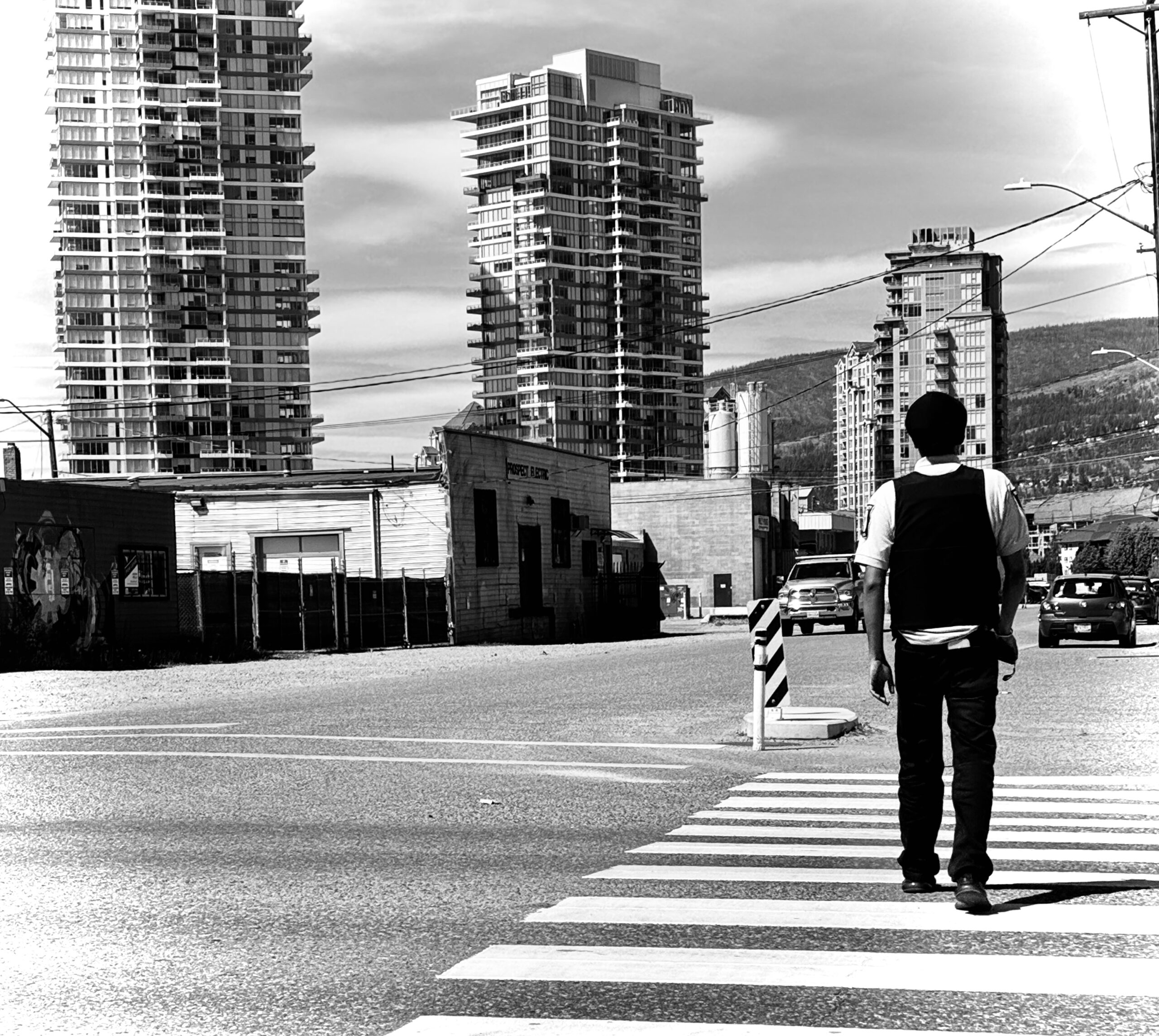
Parallel worlds existing within a few blocks of each other:
sunlight, luxury towers, shopping carts, cold showers, harmonicas, security patrols, shelter beds, coffee entrepreneurs, and people still trying to remain human.
Dispatch
Yesterday started with another unsafe transit ride.
I boarded Route 2 shuttle bus #2877 in my wheelchair after asking the driver for assistance because the ramp angle on those buses is extremely steep for manual wheelchair users.
The driver helped push me up the ramp.
Before departure, I specifically asked about securing the wheelchair.
The driver paused while getting back in through the driver’s door and for a moment I assumed he was retrieving the restraints or preparing the securement system.
I thought wrong.
The bus departed without my wheelchair being secured.
At virtually every acceleration, stop, turn, and light, I found myself bracing physically while my tires slid despite the brakes being engaged.
I asked again if there was a way to secure the chair.
I asked again about being dropped somewhere accessible.
Instead I was eventually discharged near Safeway into a location without an accessible curb transition, leaving my wheelchair partially exposed facing oncoming traffic in the westbound lane while attempting to navigate the curb safely.
By the time I rolled away, my wrists were already hurting again from repeatedly stabilizing myself during the trip.
So I filed another complaint.
Another preservation request.
Another formal record documenting something that should not have happened.
Later I spent nearly two hours in Kelowna General Hospital emergency getting my hands checked after the transit incidents.
Fortunately nothing appeared broken or seriously damaged. One of the staff suggested soaking them in warm water or a hot tub for relief.
After discharge, hospital security escorted me toward the bus stop outside the property — less dramatic than it sounds, more procedural and practical than confrontational.
Then came another transit ride back.
Safer than the first one.
Still confusion.
Still partial securement.
Still another driver uncertain about routing and wheelchair procedures.
It increasingly felt like accessible transportation was being improvised in real time by exhausted systems and exhausted people.
Back at the shelter, staff had thoughtfully saved dinner for me and reheated Alfredo pasta after I arrived back late from the hospital.
It honestly meant a lot.
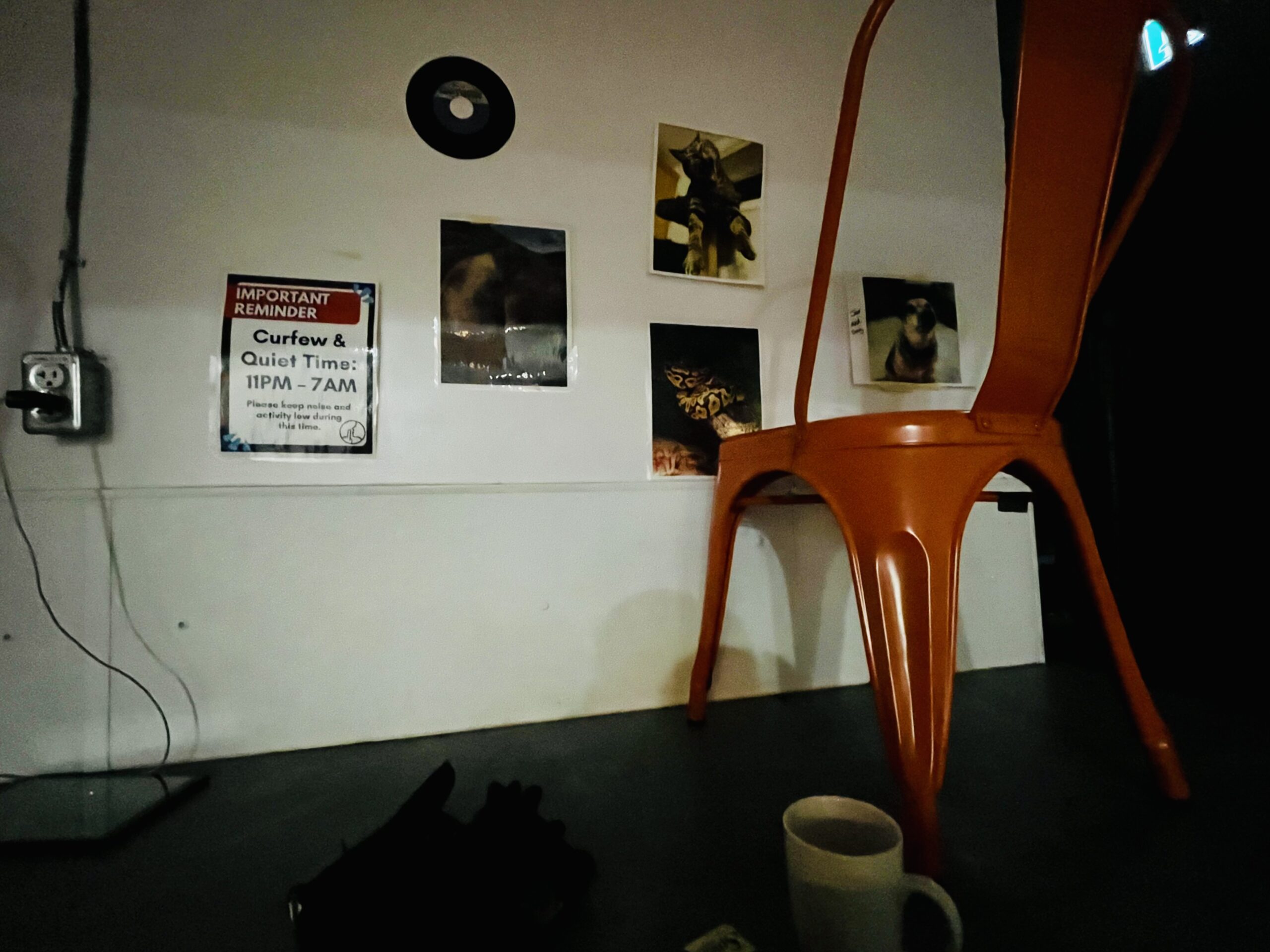
By the time lights-out came at 11 PM I was already in bed sleeping with everything I owned tucked under the blankets and piled beside me so nothing else would disappear overnight.
That’s just the survival reality of this type of arrangement.
Things also have to be searched logistically entering and leaving the building.
Bags.
Belongings.
Pockets.
Storage.
Movement itself becomes procedural.
Then this morning came breakfast.
Someone kindly carried my giant bowl of cereal to the dining counter for me so I didn’t end up wearing it in my lap.
There was probably four or five cups of cereal in the bowl.
Way too much.
I couldn’t finish it.
I ended up giving my yogurt away to someone else, which they appreciated greatly.
That’s kind of how the shelter works sometimes.
Things circulate.
Food.
Clothes.
Cables.
Medication.
Stories.
And sometimes unexpectedly:
harmonicas.
Someone stole my clothes and charging cables yesterday.
Honestly, I think whoever took them probably needed them more than I did.
After breakfast I took a shower.
Or at least attempted one.
The shelter hot water system had already been overwhelmed by dishes and morning demand, so when I say cold shower, I mean genuinely cold.
Not ice-cold like the actual cold tap.
But “full hot turned all the way and still cold” cold.
I’d also forgotten my towel.
Because shelter logistics are strange when everything you own has to travel back and forth on the back of a wheelchair and there simply isn’t enough carrying capacity to do everything properly.
So I drip-dried.
Then put the same dirty clothes back on.
And somehow that’s where the day became unexpectedly human again.
In the smoke shack patio I ended up talking music with a guy we started calling Bruce because he looked uncannily like an older Bruce Cockburn.
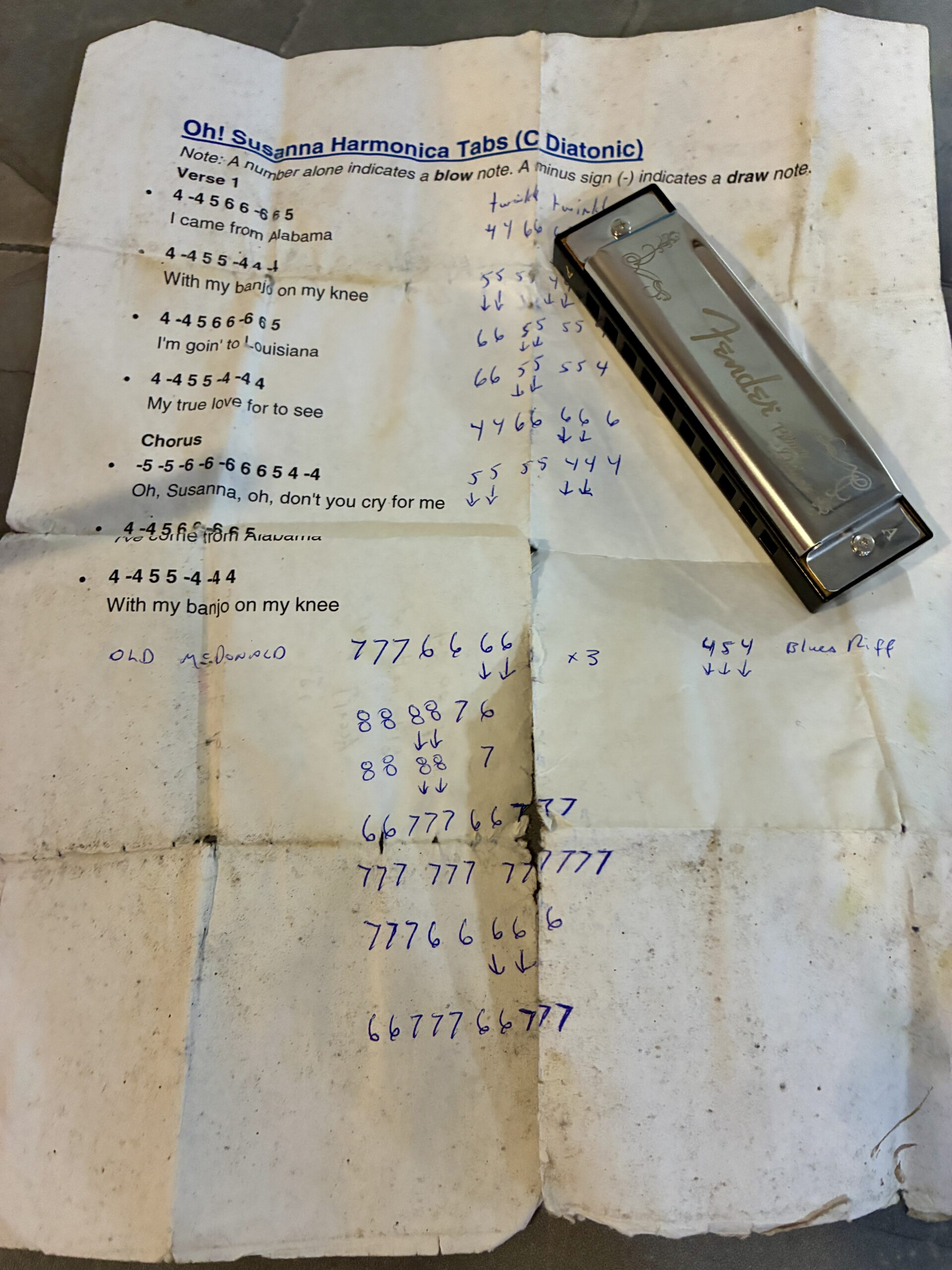
At one point he pulled a battered harmonica practice sheet from the pocket of a dirty lumberjack jacket.
The paper looked ancient.
Coffee stains.
Handwritten scribbles.
Fold marks worn soft from years of being carried around.
“Oh! Susanna Harmonica Tabs.”
Blues riffs written in pen down the margins.
Then he handed me a Fender A harmonica.
It honestly hit me emotionally harder than I expected.
Because it wasn’t charity.
It was continuity.
Music surviving collapse.
Bruce also told me about spending roughly three months stranded on Rabbit Island near Kamloops after dislocating his hip while dealing with a leaking raft and being unable to properly get back to shore.
The story sounded half wilderness survival tale and half modern Canadian collapse story.
Before leaving, Bruce mentioned a folk performance later at Marmalade Café by singer-songwriter Jane Eamon.
Video: Jane Eamon performing live at Marmalade Cat Café later that afternoon.
Handheld. No tripod. Just one moment later in the day after Richter Street.
I told him I had actually photographed Jane previously during the Lake Country Winter Blues Festival songwriting circle.
That’s Kelowna too.
Shelter patios.
Busking guitars.
Folk music.
Cold showers.
Methadone lineups.
Luxury towers.
At one point today I joked that I was heading into a dark back alley for a drug deal.
Which sounds dramatic until the punchline: someone was actually just bringing me insulin.
Meanwhile I spent much of the afternoon sitting in the warm Okanagan sun with two iPhones doing the kind of photography I don’t think I’ve ever really done before.
Not camera photography.
Observation photography.
The kind where the technology almost disappears and the important thing becomes noticing people.
The iPhone 16 and old iPhone 13 sitting in my hands are simultaneously: cameras, phones, navigation systems, medical devices, communication systems, and insulin pump controllers.
Tiny survival computers.
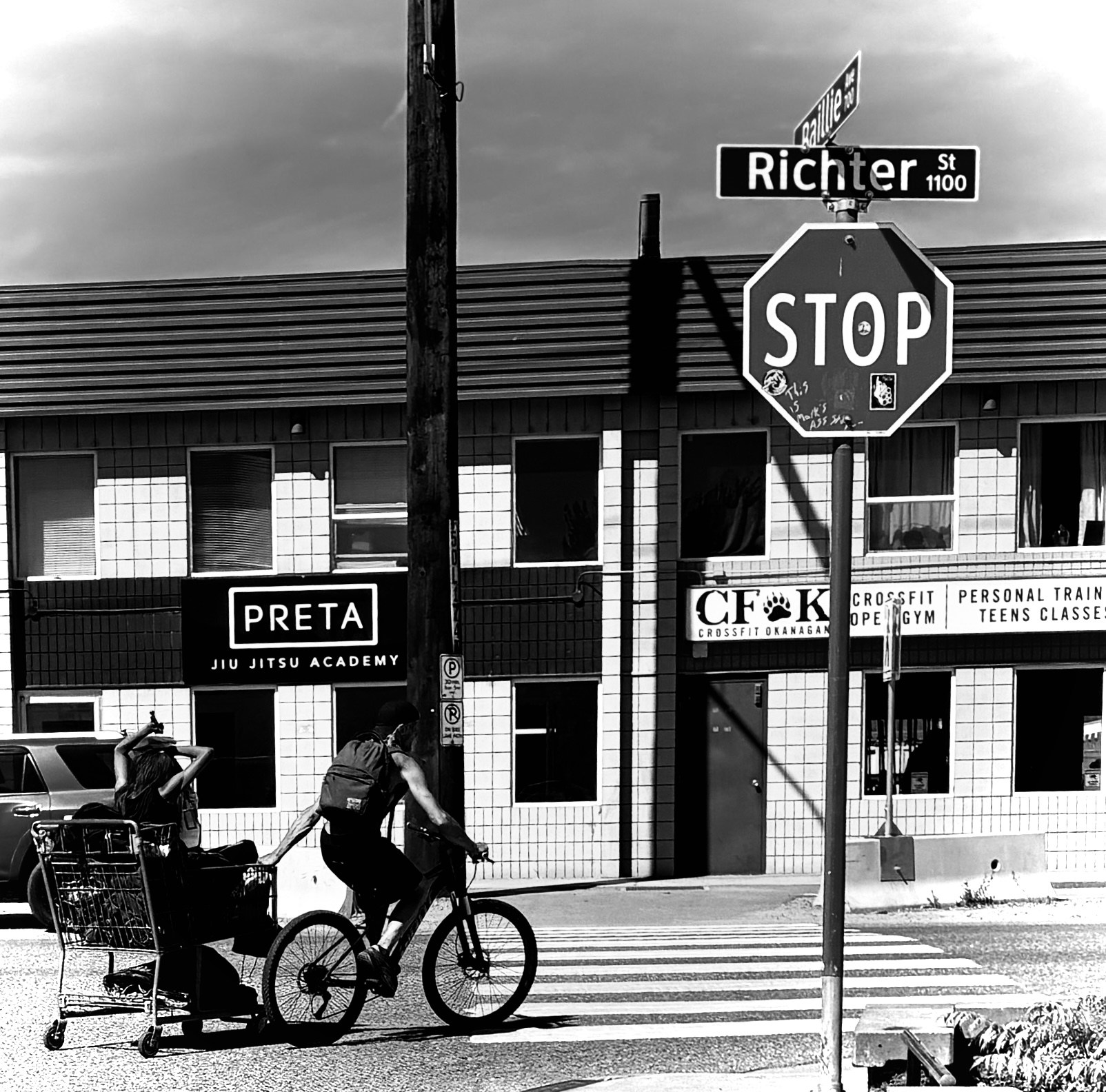
All around me: high-end cars, mountain bikes, e-bikes, construction, condos, security patrols, warehouse walls, shopping carts, people trying to survive, people trying to build businesses, people trying to remain human.
Many people stigmatize the area around the shelter from a distance.
But another side appeared throughout the day too.
Regulars walking past greeting unhoused people by first name.
Small conversations.
Familiarity.
Recognition.
People checking whether someone was okay.
People remembering each other.
I tried to say good morning and engage organically with as many people as possible.
And in return, many people simply acted human back.
At one point I tried getting up a steep curb cut nearby and physically couldn’t do it.
My hands and wrists were too sore.
So I stopped to rest.
That’s when I ended up talking again with two women from Castlegar who were downtown looking at vintage coffee equipment for a café project.
One of them — Brittany with a P, as I started calling her after I initially misheard her introducing herself as “Prittany” — laughed when she mentioned there had been too many Brittanys in her kindergarten class.
I told her I figured she was probably the prettiest one, so obviously she deserved upgraded branding and her own letter.
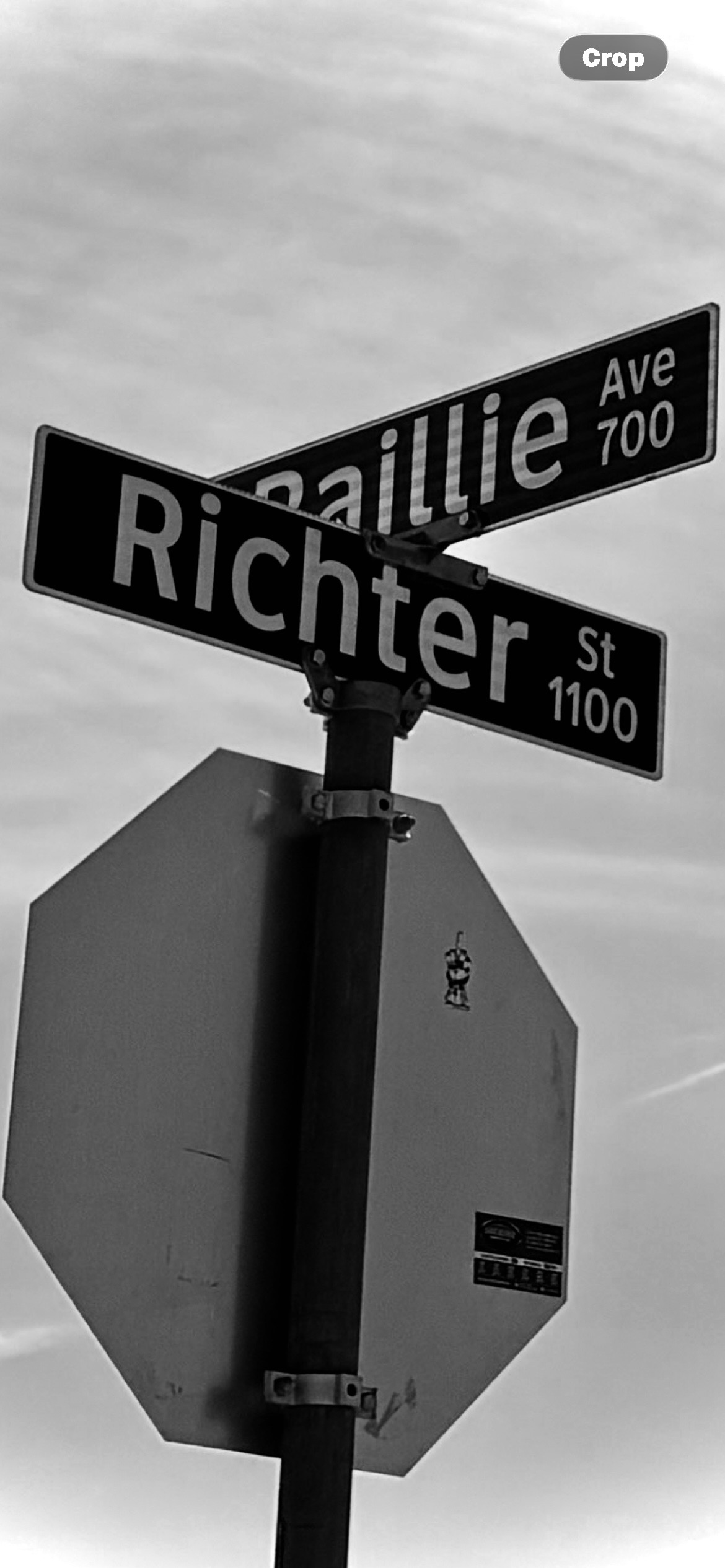
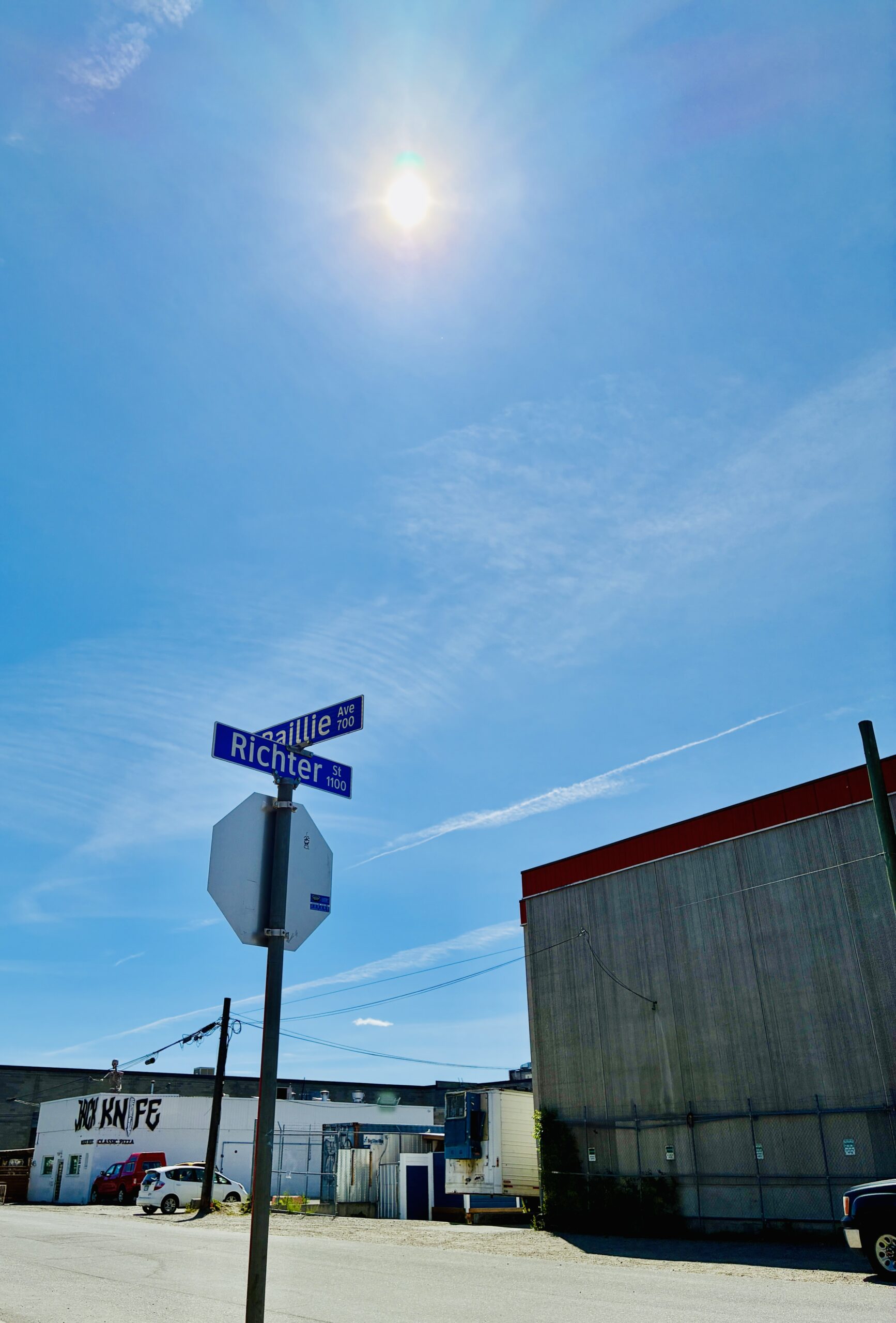
She smiled while her long hair caught the morning sunlight beneath the Richter Street sign as we talked about espresso machines, coffee roasting, and café culture.
At one point she joked that if she had another coffee she might go “off the Richter scale.”
Which honestly was perfect considering we were literally standing on Richter Street.
For a few moments the whole thing felt less like an area beside a shelter and more like some strange accidental street festival where completely different lives briefly intersected.
Now it’s approaching lunch.
I’m hungry again.
My hair is finally dry from sitting in the warm Okanagan sunlight.
People continue flowing past: cyclists, security patrols, coffee entrepreneurs, shopping carts, expensive SUVs, e-bikes, and people carrying entire invisible histories through downtown Kelowna.
Then reality folded back in again.
A woman walked past carrying a cat carrier while the cat’s leash dragged unnoticed behind her.
I let her know the leash was trailing on the ground.
She stopped, thanked me quietly, and told me she’d just been kicked out of her home and hadn’t done anything wrong.
Then she turned toward the shelter entrance.
For a moment she stood framed against the warehouse walls and loading bays of Richter Street — the invisible line separating the outside industrial corridor from the inside warehouse of the shelter itself.
Then she disappeared behind the wall carrying the cat inside.
Behind those walls is Bed 11.
Out front is Okanagan sunshine.
And somewhere between those two worlds, people are still trying to remain human.
—