Home Sweet Homeless

When “Home” Becomes Something Everyone Else Is Selling
Gallery: A collection of advertisements, storefronts, and scenes that all use the idea of “home”—viewed through the perspective of someone currently experiencing homelessness.

Home.
It’s one of the smallest words in the English language, but it carries enormous weight.
Home is safety.
Home is routine.
Home is somewhere your toothbrush stays in the same place.
It’s where your coffee mug waits in the cupboard, your favourite chair sits by the window, and your dog knows exactly when you’ll be walking through the door.
For most of my life, the word barely registered. It was simply where I lived.
Then I became homeless.
Now I notice the word everywhere.
Not because I suddenly became obsessed with houses, but because our culture sells “home” constantly. It has become one of the most powerful marketing words there is.
You don’t have to look very hard.
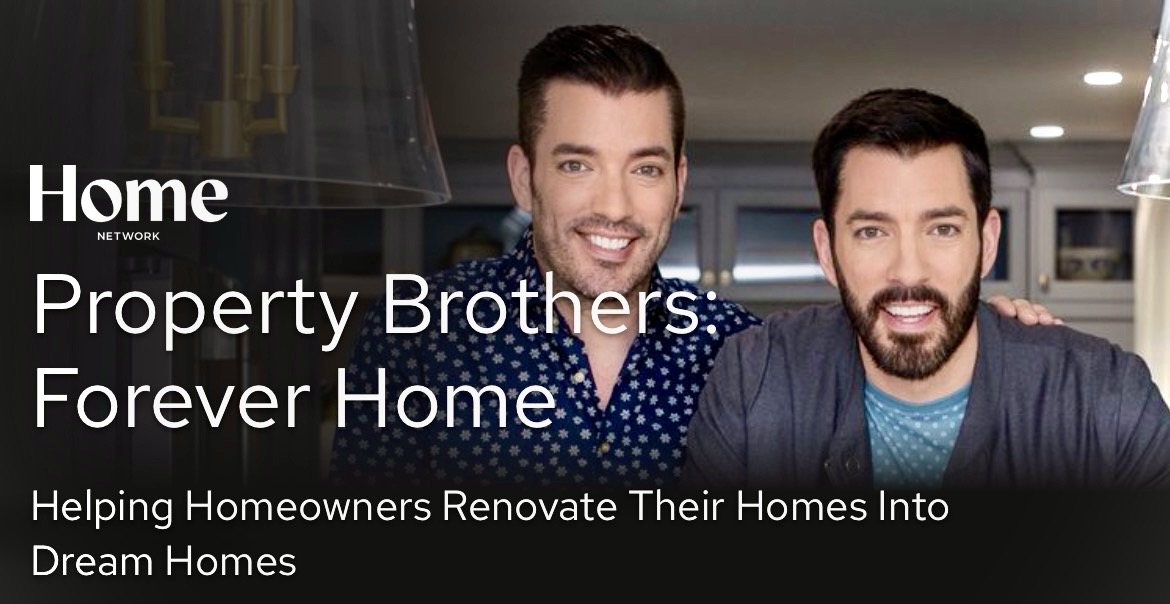
Property Brothers promises your Forever Home.
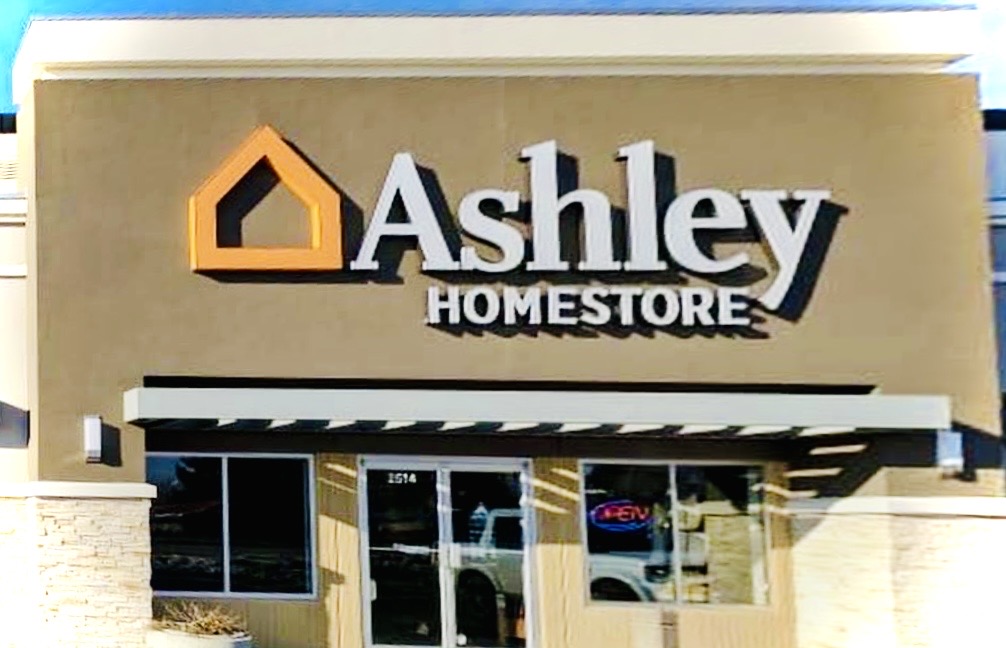
Ashley HomeStore sells beautiful homes.
Home Depot tells you to improve your home.
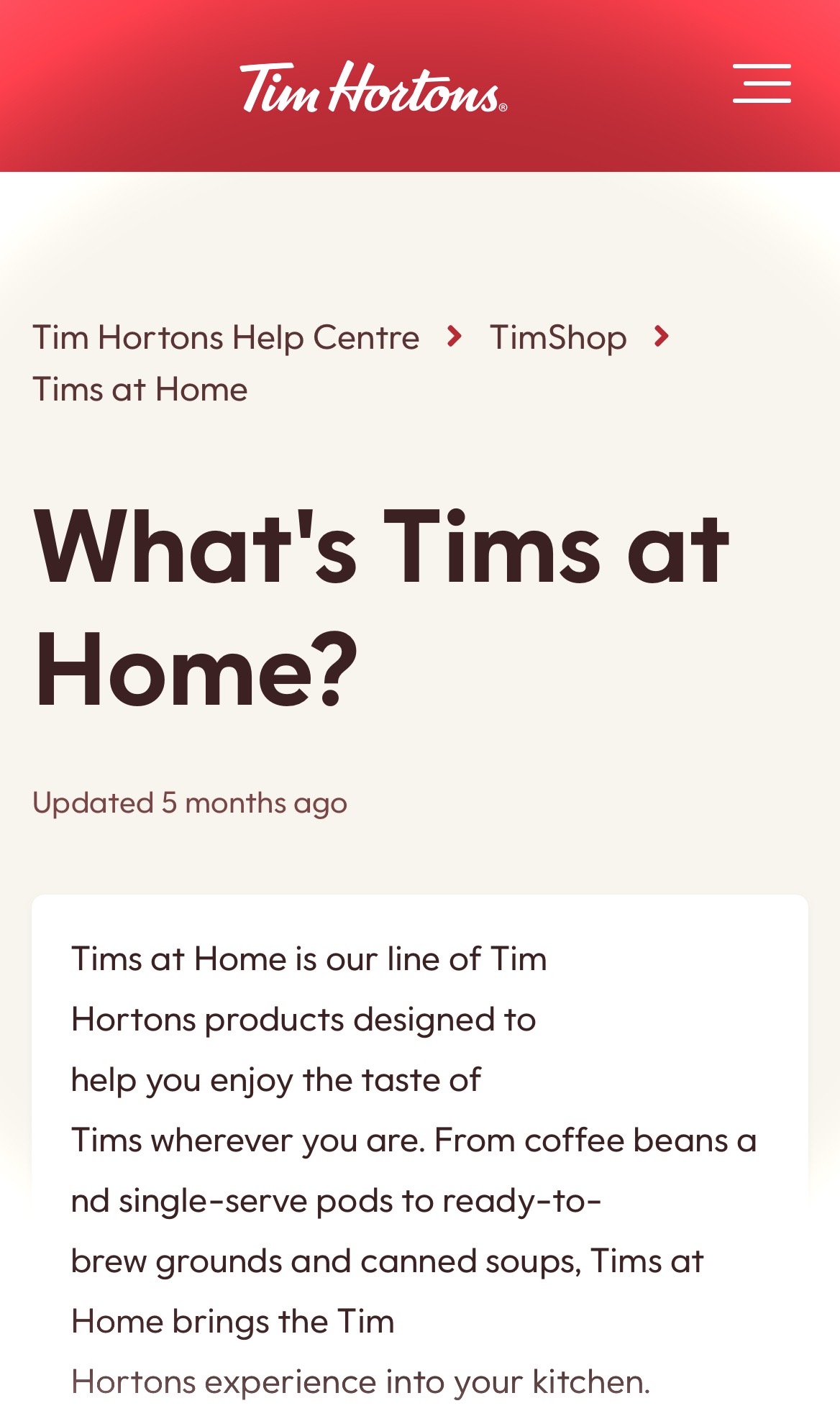
Tim Hortons invites you to enjoy “Tims at Home.”
Real estate listings promise dream homes with panoramic lake views.
Home.
Home.
Home.
Home.
Every advertisement assumes you already have one.
Seeing the world differently
Living in a shelter changes your perspective in hundreds of small ways.
You notice electrical outlets.
You notice public washrooms.
You notice benches that aren’t designed for resting.
You notice businesses that welcome you—and businesses that don’t.
And you notice the language.
Once you’ve lost something, you become acutely aware every time the world reminds you that everyone else still has it.
I don’t believe these advertisements are trying to hurt anyone.
They’re doing exactly what advertising has always done.
They’re selling aspiration.
They’re selling comfort.
They’re selling belonging.
But when you no longer have a home, every one of those messages lands a little differently.
“Forever Home”
Perhaps nothing illustrates this better than the phrase “Forever Home.”
It’s a wonderful phrase.
It’s optimistic.
It speaks to stability.
It suggests you’ve finally arrived.
I genuinely understand why it resonates with homeowners.
But imagine reading those words while wondering where you’ll be sleeping six months from now.
Or whether you’ll still have somewhere to store your medications.
Or whether you’ll have to move everything you own again because shelter policies changed.
The phrase doesn’t become offensive.
It simply becomes… impossible.
Furniture for every room
Walk into Ashley HomeStore.
Beautiful living rooms.
Elegant dining tables.
Comfortable sectionals.
Bedroom suites carefully arranged to look warm and inviting.
Furniture tells stories.
“This is where your family gathers.”
“This is where you watch movies.”
“This is where your grandchildren visit.”
Meanwhile, many people experiencing homelessness own everything they possess in a few bags, a shopping cart, a storage locker, or the back of a vehicle.
Furniture isn’t even on the list.
Before you can think about decorating a living room, you need a living room.
Building your dream
Home Depot doesn’t just sell lumber and paint.
It sells possibility.
Weekend projects.
Backyard barbecues.
A new deck.
A renovated kitchen.
A garden.
There’s nothing wrong with that.
But somewhere between the shelves of plywood and power tools, I find myself thinking about different projects.
A place to refrigerate insulin.
A door I can lock.
A permanent place to charge my phone overnight.
A mailbox that doesn’t change every few months.
Sometimes the distance between two people isn’t measured in kilometres.
It’s measured in priorities.
Dream homes
Then there are the real estate listings.
Lake views.
Open-concept kitchens.
Three-car garages.
Quartz countertops.
Walk-in closets.
Smart homes.
The photography is stunning.
The homes deserve to be admired.
But the contrast is difficult to ignore.
The same phone showing me a $1.8 million home can also be reminding me when I need to return to a shelter before check-in closes.
One swipe separates luxury from survival.
Both are real.
Both exist in the same city.
Even coffee comes “at home”
The one that surprised me most was Tim Hortons.
“Tims at Home.”
Coffee pods.
Ground coffee.
Soup.
Products you can enjoy…
…at home.
Again, nothing malicious.
It makes perfect marketing sense.
But it reminded me how casually we use the word.
Home has become a flavour.
A product category.
A lifestyle.
A brand.
For people who have one, the phrase barely registers.
For people who don’t, it does.
Moving
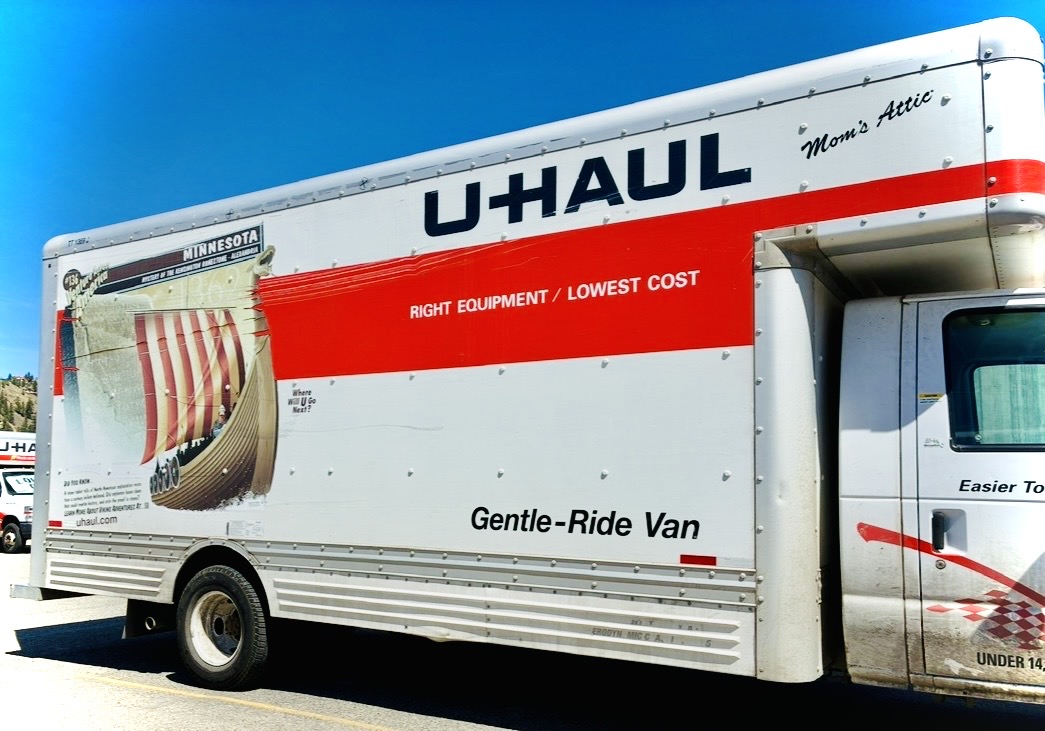
The U-Haul truck struck me differently than it used to.
Once upon a time, moving meant excitement.
A bigger apartment.
A new city.
A better opportunity.
Now moving often means something else.
Packing quickly.
Throwing away things you can’t carry.
Losing things.
Starting over.
Wondering whether you’ll ever fully unpack again.
For someone experiencing housing instability, moving isn’t an event.
Sometimes it becomes a way of life.
Why I made the sign
One afternoon I made a cardboard sign.
It says:
HOMELESS SWEET HOMELESS
People have laughed when they’ve seen it.
That’s okay.
Humour has always been one way people survive difficult situations.
But the sign isn’t really a joke.
It’s a reflection.
If society keeps using the word “home” to sell everything…
…what happens when you don’t have one?
The sign asks that question without shouting.
This isn’t about blaming anyone
Let me be clear.
Ashley HomeStore didn’t cause homelessness.
Home Depot didn’t cause homelessness.
Tim Hortons didn’t cause homelessness.
Property Brothers didn’t create the housing crisis.
The people working in these businesses are simply doing their jobs.
This isn’t an attack on companies.
It’s an observation about the world we have built.
A world where “home” is one of our most successful marketing tools…
…while, at the same time, hundreds of thousands of Canadians struggle to find stable housing.
That contrast deserves to be noticed.
A home is more than a house
People often think homelessness is simply the absence of housing.
It’s more than that.
A home is where your medication stays.
Where your mail arrives.
Where your friends know to visit.
Where your family can find you.
Where you can close the door after a difficult day and simply exist.
Without that, life becomes a series of temporary solutions.
Temporary beds.
Temporary lockers.
Temporary addresses.
Temporary plans.
The instability itself becomes exhausting.
What I miss
I don’t miss granite countertops.
I don’t miss vaulted ceilings.
I don’t miss fancy furniture.
I miss ordinary things.
Knowing where I’ll make coffee tomorrow morning.
Leaving a book on a table and expecting it to still be there.
Hanging a photograph on a wall.
Cooking dinner because I feel like it.
Inviting someone over.
Closing the door.
Locking it.
Sleeping.
The word
Maybe that’s why the word catches my attention now.
Home.
I see it on billboards.
In television shows.
On coffee packaging.
In furniture stores.
In real estate ads.
In renovation commercials.
It’s everywhere.
Once you lose something, you discover just how often everyone else assumes you still have it.
Until then…
One day, I hope I’ll have another place to call home.
Not necessarily a large one.
Not necessarily an expensive one.
Just one that’s mine.
A place where my camera has a shelf.
My guitars have a corner.
My coffee mug has a cupboard.
My insulin has a refrigerator.
My mail has an address.
Until then, I’ll keep noticing the word.
Not because I’m bitter.
Not because I’m angry.
But because once you’ve experienced homelessness, you realize something most people never have to think about:
The word “home” is everywhere.
The reality isn’t.
Personal Dispatches is an independent documentary journalism project exploring housing, homelessness, accessibility, poverty, public policy, and everyday life in Kelowna through lived experience. If this story made you see something differently, I hope you’ll read another, share this one, or simply start a conversation. Sometimes that’s where change begins.
—-
Support Personal Dispatches
If you found this story meaningful, you can learn more about supporting the project here: