I’m Homeless. I’m Eating Better. Something Is Broken.

The Price of Being Housed
There is something absurd about becoming homeless and discovering that, in at least one important way, my life improved.
I’m eating better.
Meat. Vegetables. Salads. Fruit. Yogurt. Eggs. Potatoes. Pasta. Actual cooked meals with variety.
Before I became homeless, I was housed.
And I couldn’t afford to eat like this.
I relied on the Central Okanagan Food Bank. Hands in Service delivered my hampers. I shopped at places like Peter’s Your Independent Grocer and Dollarama, trying to stretch my food budget.
I rarely bought meat. If I ate meat, much of the time it was because somebody donated it.
I ate a lot of rice and beans.
Then I became homeless.
And this is what I started eating.
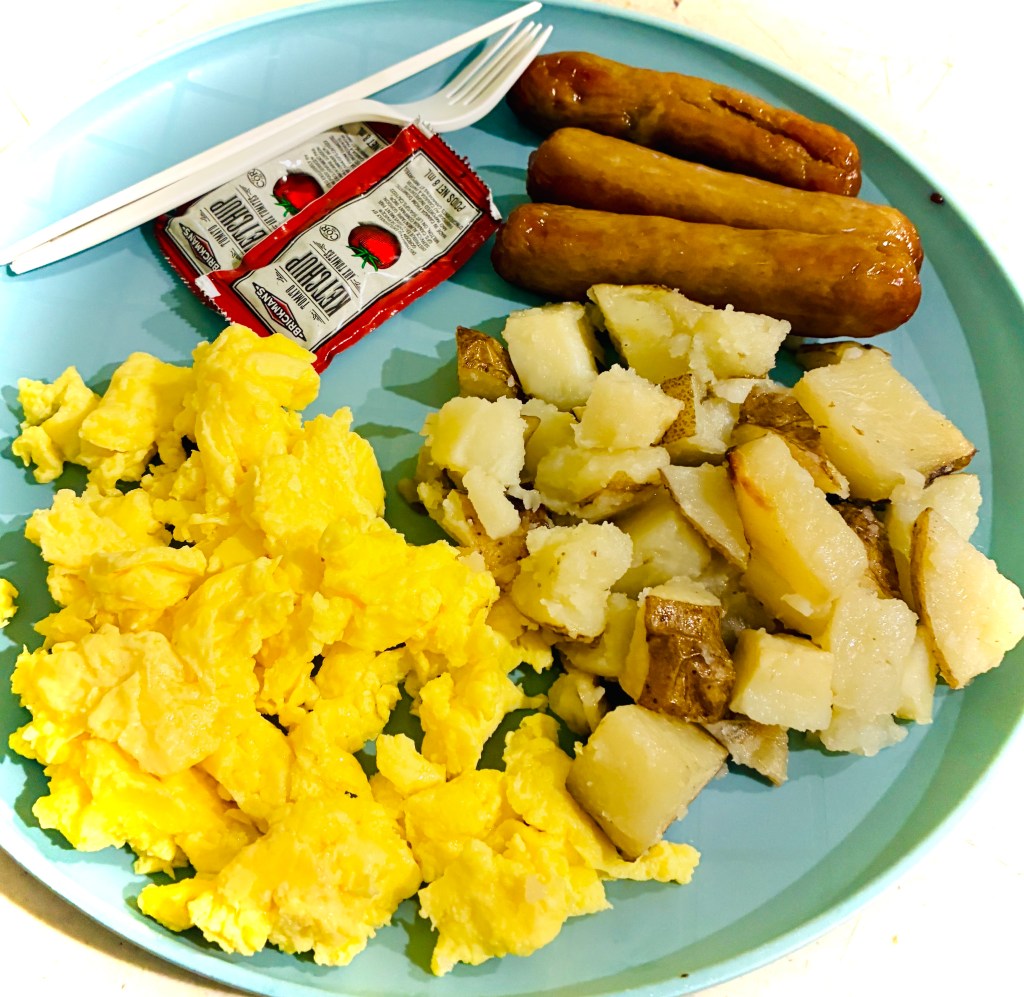


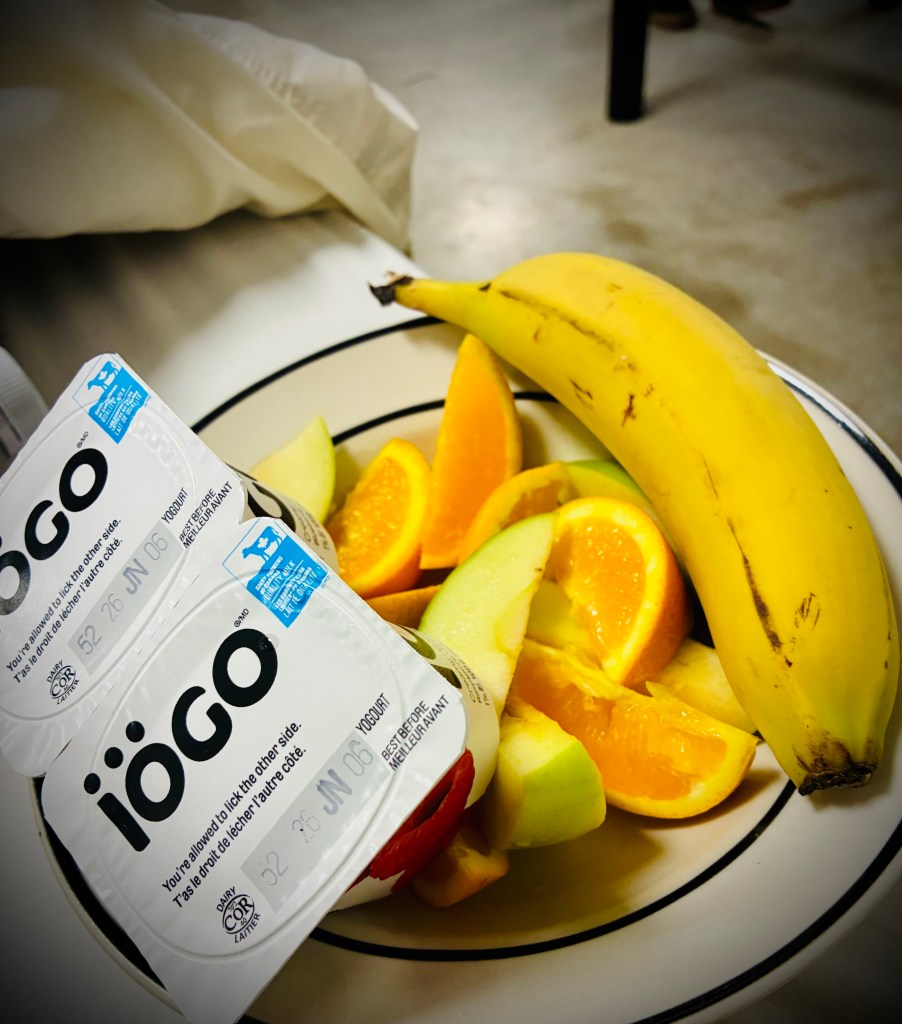
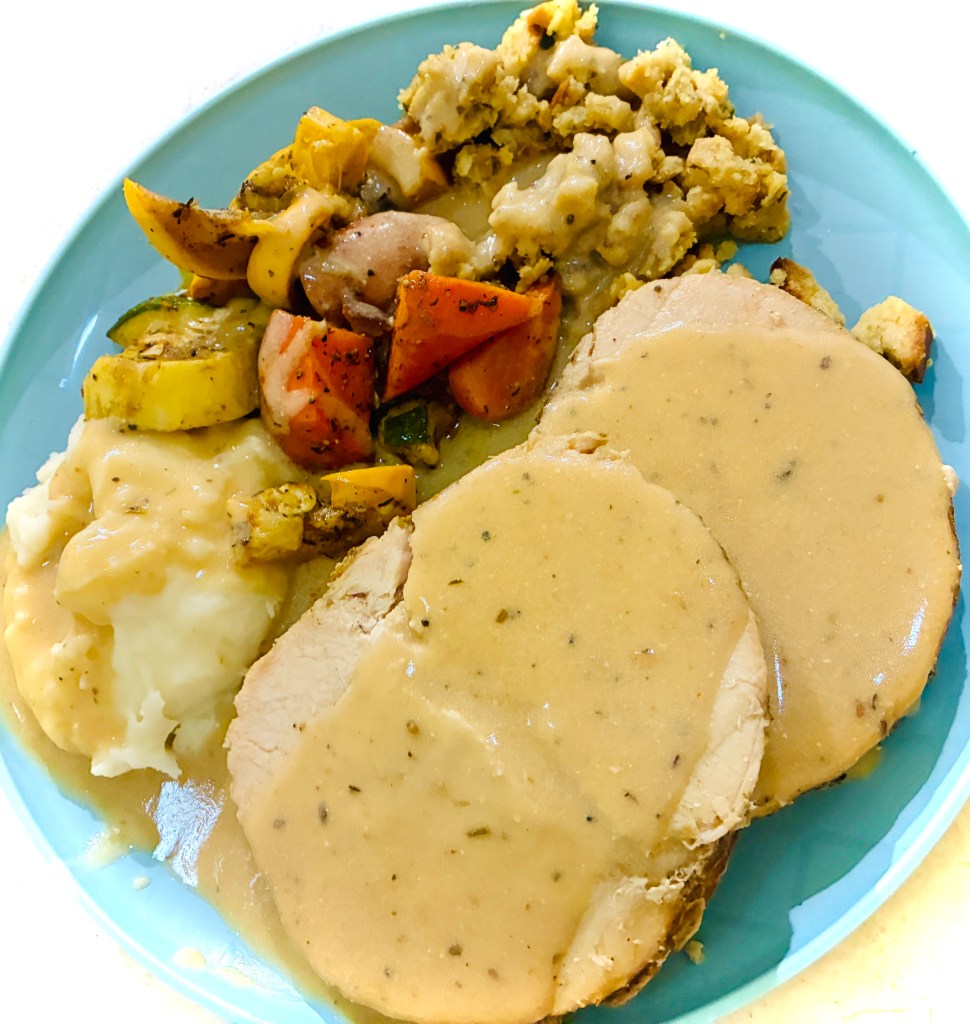
There is a strange sentence:
I had to become homeless to eat this well.
That isn’t an argument that homelessness is good, that shelters are comfortable or that every homeless person is well fed.
It is simply what happened to me.
The numbers surprised me too
I have diabetes, so food isn’t just something I photograph or enjoy. I track what it does to my blood sugar.
Recently my glucose report showed 92 per cent time in range, up 27 percentage points from the previous seven days.

I’m not claiming shelter meals caused that. Blood glucose is affected by insulin, medication, activity, illness, stress, meal timing and plenty of other things.
But the contradiction caught my attention.
I’m homeless. I’m eating better. And right now, my blood sugar is better controlled.
I didn’t become wealthier.
I lost my housing.
Something is broken when losing your home can improve your access to food.
People can be housed and still be food insecure. When housing takes too much, food is one of the few things left to cut.
You can have an apartment, a refrigerator and a stove and still struggle to put decent food in them.
From the outside, you’re housed.
The crisis can be almost invisible.
Then I remembered a woman
A few years ago, I wrote down an encounter that stuck with me.
I saw a very large woman with significant health problems who was chain-smoking.
She was talking about people who used illicit drugs.
“Druggies.”
In her telling, they stole. They freeloaded.
Then she said she wouldn’t carry naloxone.
If somebody overdosed, she would let them die.
What struck me wasn’t that she was fat.
Hell, I’m fat.
It wasn’t that she smoked.
It was the contradiction.

Smoking carries serious health risks. Excess body weight can carry health risks too.
Neither made me think she deserved less healthcare.
Neither made me think her life mattered less.
Nicotine is also addictive.

Yet she could look at someone struggling with a different addiction and decide that person wasn’t worth saving.
That stayed with me.
I carry naloxone

I carry this.
I don’t need someone’s biography before I use it.
I don’t need to approve of what they put into their body.
I don’t need to decide whether they made good decisions.
If somebody is dying and I can potentially help keep them alive, that is enough.
We can talk about treatment, addiction, recovery and personal responsibility afterward.
First, the person has to be alive.
That shouldn’t be radical.
But compassion becomes remarkably easy to ration when somebody else’s problems make us uncomfortable.
My addiction is understandable.
Yours is a moral failure.
My hardship deserves help.
Yours is your own fault.
Once someone becomes an addict, a druggie, a freeloader, a homeless person or a problem, it gets easier to stop seeing the person underneath the label.
We can recognize nicotine dependence without deciding someone deserves lung cancer.
We can recognize alcohol use disorder as an addiction without deciding someone deserves liver failure.
We can recognize that excess body weight can carry health risks without deciding someone deserves less medical care.
And we can recognize the devastating consequences of illicit drug use without deciding that somebody overdosing deserves to die.
That isn’t excusing harmful behaviour.
It’s recognizing a human being.
We do the same thing with homelessness
We complain about people sleeping in parks, doorways and encampments.
We complain about shelters.
We complain about supportive housing.
We complain about affordable housing proposed in our neighbourhoods.
Then we complain that homelessness keeps getting worse.
Something in that equation has to change.
It’s the idea that we can solve homelessness while insisting the solutions always belong somewhere else.
Communities have every right to expect shelters and supportive housing to be well managed.
Safety matters.
Neighbourhood impacts matter.
Governments and service providers should be accountable.
But people have to live somewhere.
Housing has to be built somewhere.
Shelters have to operate somewhere.
Supportive housing has to exist somewhere.
We can’t demand that homelessness disappear while rejecting the places people could actually go.
Who broke it?
Governments.
Housing costs.
Wages.
Health care.
Social assistance.
Addiction.
Bad policy.
Bad decisions.
There is plenty of blame available.
Understanding how we got here matters. We need that knowledge if we want to avoid making the same mistakes.
But blame isn’t a housing unit.
Blame isn’t dinner.
Blame isn’t treatment.
Blame doesn’t revive someone who has overdosed.
So I’m becoming less interested in:
Who broke it?
And more interested in:
How do WE fix it?
How do we make sure somebody can pay rent and buy groceries?
How do we help before someone is sleeping in a doorway?
How do we keep someone alive through addiction long enough for recovery to remain possible?
How do we build housing while addressing legitimate neighbourhood concerns instead of simply insisting the solutions belong somewhere else?
And how do we recover some of the compassion we seem to have lost?
Not pity.
Not pretending every behaviour is acceptable.
Not ignoring crime.
Not abandoning personal responsibility.
Compassion is simpler than that.
The willingness to recognize someone else’s humanity even when their circumstances, behaviour, addiction, decisions or needs make us uncomfortable.
Maybe we start there
I don’t have a grand solution to homelessness.
I’m living it.
And some of what I’m learning from the inside doesn’t fit neatly into the stories we tell ourselves.
I was housed and struggled to afford good food.
I became homeless and started eating better.
I’ve seen someone struggling with one addiction condemn people struggling with another.
I’ve seen communities demand that homelessness disappear while resisting the places people could actually go.
There are no easy answers.
But maybe the first step isn’t deciding who deserves our compassion.
Maybe it’s stopping ourselves from rationing it.
We don’t have to approve of every decision someone makes.
We don’t have to agree on every solution.
We don’t even have to like one another.
But we do have to recognize one another as human beings.
I was housed and struggled to afford good food.
I became homeless and started eating better.
My blood sugar recently improved.
That should not make sense.
Who broke it?
We can argue about that tomorrow.
Today, how do WE fix it?
Personal Dispatches is an independent documentary journalism project exploring housing, homelessness, accessibility, poverty, public policy, and everyday life in Kelowna through lived experience. If this story made you see something differently, I hope you’ll read another, share this one, or simply start a conversation. Sometimes that’s where change begins.
Support Personal Dispatches
If you found this story meaningful, you can learn more about supporting the project here: